Office 365 Deployment on client PC using GPO
Office 365 Deployment on client PC using GPO
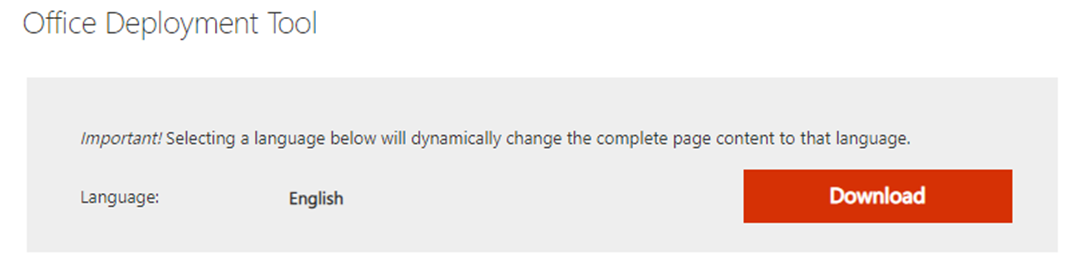
1. On your Domain Server, download Microsoft Office Deployment Tool, run it and extract it to share folder on network. Delete all .xml files except setup.
As “\\DC01\Users\sysadmin\Desktop\ShareFolder\ODT\Setup.exe”
Download Office Deployment Tool from Official Microsoft Download Center
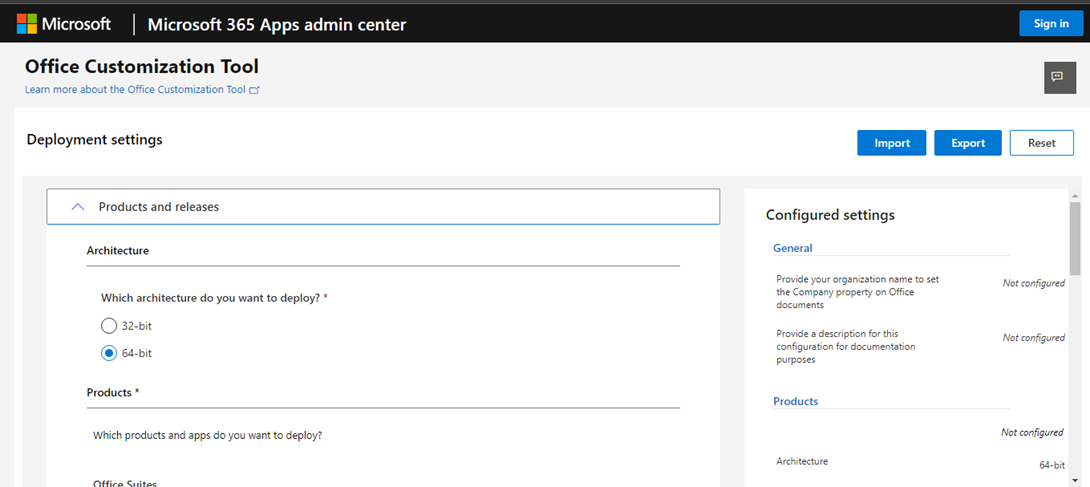
2. Go to config.office.com , configure your desire office product, and export it to same share folder. It will save as Configuration.xml by default.
Office Customization Tool - Products and releases
3. Download Office in your deployment folder on server.
Open command prompt and go to “C:\users\sysadmin\desktop\SharedFolder\ODT>
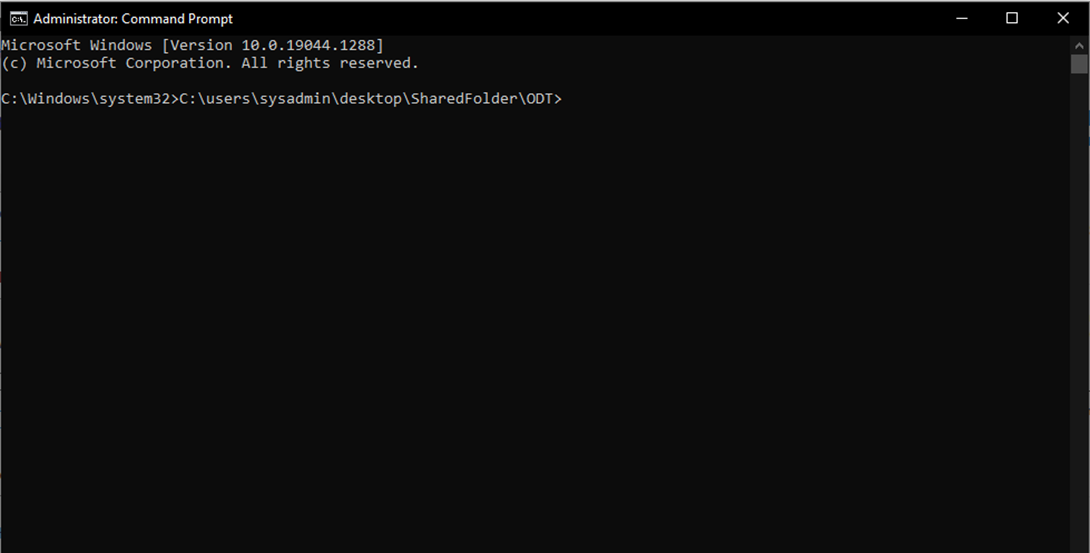
Type “Setup /download configuration.xml” and hit enter. It will create office folder in shared folder and will take some time to download product.
4. After competing step 3, create install.bat file using notepad and text it as below. You can do it by copy past, If using same PC name and share folder name or amend it according to your own deployment.
echo off
if EXIST "C:\Program Files\Microsoft Office 15\ClientX64\officeclicktorun.exe" goto 365complete else goto :365needed :365needed
echo installing office 365...
start /wait \\DC01\Users\sysadmin\Desktop\ShareFolder\ODT\Setup.exe /configure \\DC01\Users\sysadmin\Desktop\ShareFolder\ODT\configuration.xml
:365complete
echo office 365 installed....
exit
5. Create a new GPO using right clicking on respective OU. Edit it, on user configuration, Policies, Windows Setting, Script, Logon, Properties, Add, choose Install.bat from your share folder, Ok and close.
6. Run gpupdate
7. On Client PC, Logoff once and Logon using respective user of same OU.
Last updated on